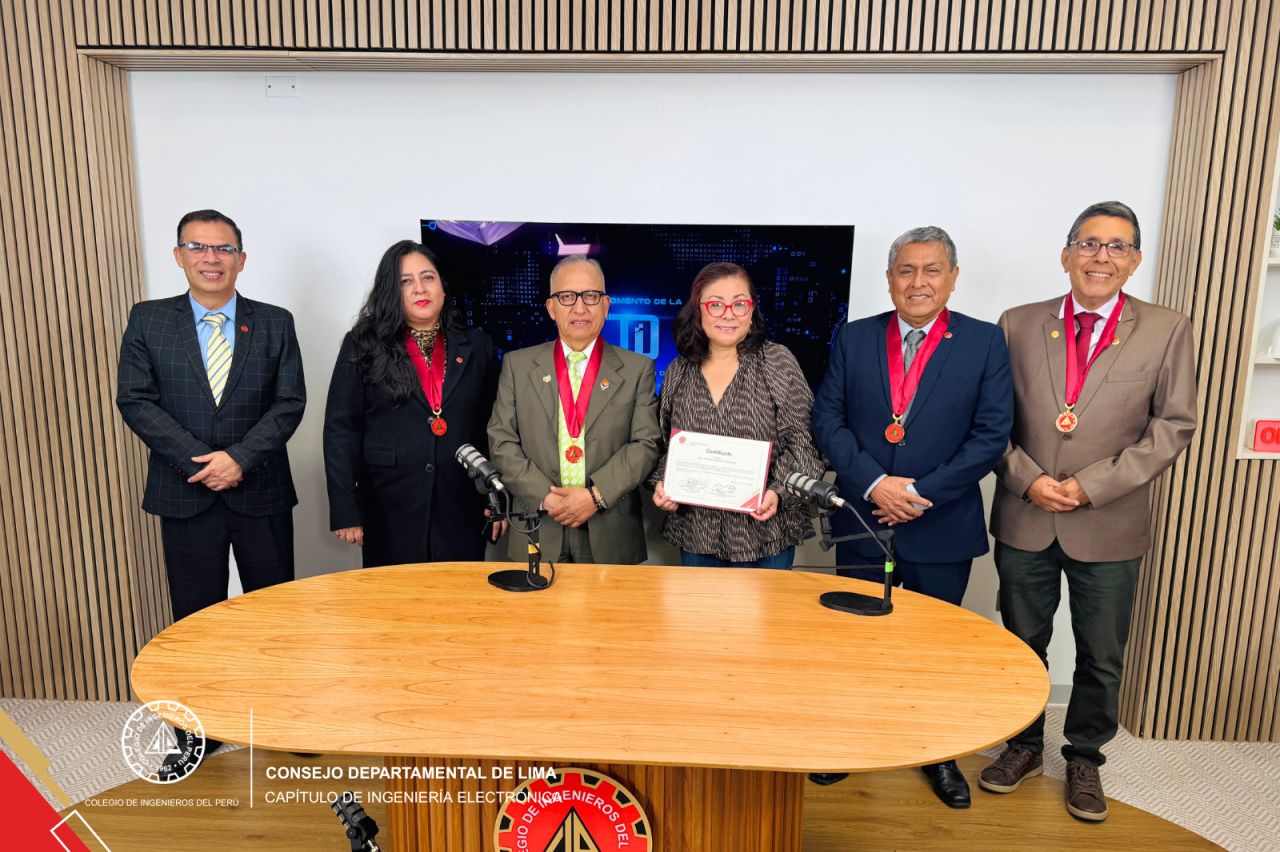
By: Eng. María José Rodríguez
On May 25, the Encyclical Magnifica Humanitas was published, marking the 135th anniversary of Pope Leo XIII’s landmark encyclical Rerum Novarum.
In a world that grows increasingly complex and is constantly inundated with information from every direction, reading Magnifica Humanitas is both refreshing and encouraging. This Encyclical is neither a document “against technology” nor “against AI.” Nor is it a technical treatise on digital regulation. Its central message is far more profound.
At the heart of Magnifica Humanitas lies the recognition that artificial intelligence represents one of the most significant transformations in human history. Yet the fundamental criterion for assessing its development is not efficiency alone, but rather its capacity to serve human dignity, the common good, justice, and fraternity. In this sense, the Encyclical presents technology as an extraordinary instrument—one that can only constitute genuine progress when it remains firmly oriented toward human dignity, the common good, social justice, and solidarity among people.
We are pleased to share an analysis prepared by María Jose Yuriko Rodríguez Nakagawa from a multidisciplinary perspective. We hope it will serve as a useful guide in approaching this Encyclical and, above all, that the principles it advances may inspire thoughtful personal reflection.